Phuket Discover Scuba diving price explained: what's included, ticket options, dive sites, and how to book direct with a PADI center.
What Is PADI Discover Scuba Diving?
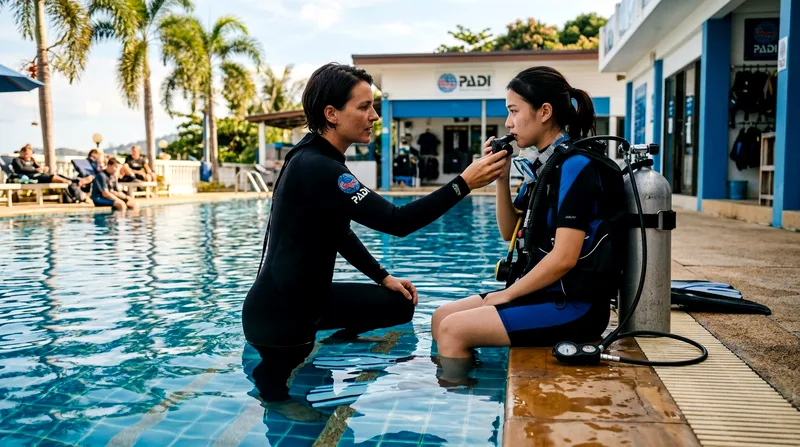
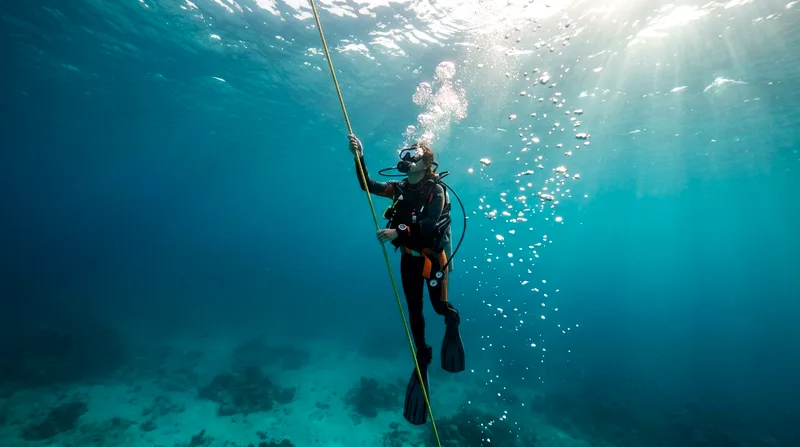
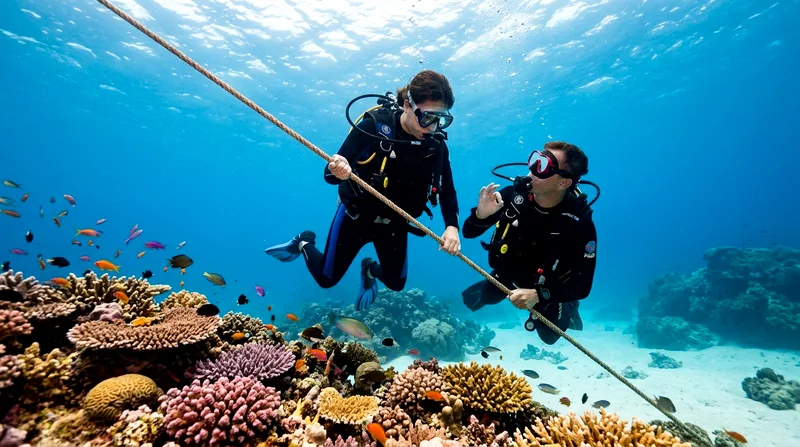
PADI Discover Scuba Diving is a half-day introductory program that lets you breathe underwater on scuba gear without any prior training or certification. It's run under PADI's Discover Scuba Diving framework, used by dive shops worldwide, and in Phuket it's typically sold as either a shore-based pool-to-sea session or a full boat trip to an offshore island. You get a briefing on basic hand signals and breathing technique, a confined-water skills check — usually in a pool or shallow lagoon — and then a supervised open-water dive with an instructor holding onto you the entire time.
This isn't a course in the certification sense. There's no exam, no multi-day commitment, and no card issued at the end beyond a souvenir e-certificate some shops throw in. It exists purely to let you test whether diving is something you'd want to pursue further, which matters if you're deciding between this and a full Open Water certification that runs three to four days and costs considerably more — often 11,000-14,000 THB in Phuket.
How it differs from certification courses
Open Water certification involves classroom or e-learning theory, multiple confined-water sessions, and four open-water dives spread across several days, ending with a PADI card valid for life, recognized by dive operators globally. Discover Scuba skips nearly all of that. You get one dive, sometimes two if you book a multi-dive package, with constant one-on-one or small-group supervision. The trade-off is clear: you don't walk away qualified to dive independently anywhere else, and every future dive still requires a supervising pro until you do get certified. If you already know diving is for you, paying for Discover Scuba first is redundant — go straight to Open Water and save the money.
Depth limits and safety overview
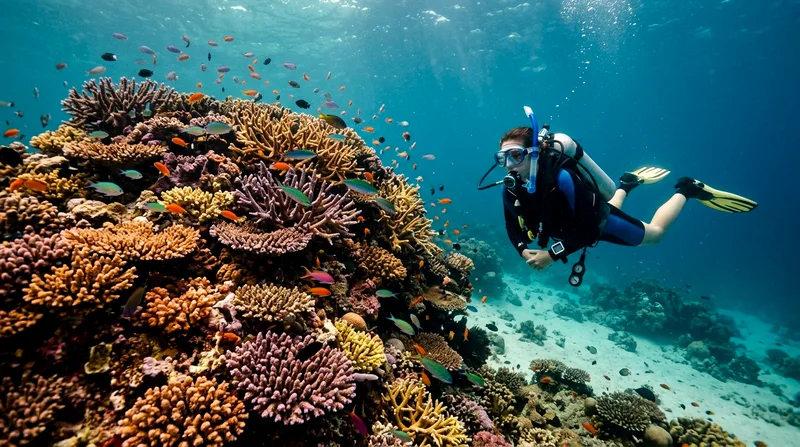
PADI caps Discover Scuba dives at a maximum depth of 12 meters, shallower than the 18-meter limit for certified Open Water divers. In practice, most Phuket operators keep first dives at 5-8 meters, which is plenty to see reef fish, soft coral, and the occasional turtle without the risks that come with depth. Instructor-to-student ratios matter here — PADI standards allow up to 4 students per instructor in confined water and fewer in open water, but reputable Phuket operators often run 1:1 or 1:2 for Discover Scuba specifically. Ask about this ratio before paying; a shop that packs eight beginners behind one instructor on a current-prone site like Shark Point isn't one I'd book.
What's Included and Excluded
Every Phuket PADI center packages Discover Scuba slightly differently, so read the fine print before paying a deposit. This matters more than people expect — I've seen travelers assume lunch or hotel transfer was included, only to find it's a 300-400 THB add-on at check-in.
Equipment, instruction, and dive time
Standard inclusions are a wetsuit (usually 3mm, fine for Andaman Sea water temperatures of 28-29°C most of the year), mask, fins, BCD, regulator, tank, and weight belt. Instruction covers a land or boat briefing, a confined-water skills check, and one guided open-water dive lasting 25-40 minutes depending on air consumption. Boat-based packages typically include round-trip speedboat transport, a light breakfast or lunch, and sometimes a second dive at a different site — worth the extra cost if you're already committed to a boat day. Shore-based sessions near Patong, Kata, or Karon beaches skip the boat but also skip the better visibility and marine life you'd find further offshore.
What you'll need to arrange separately
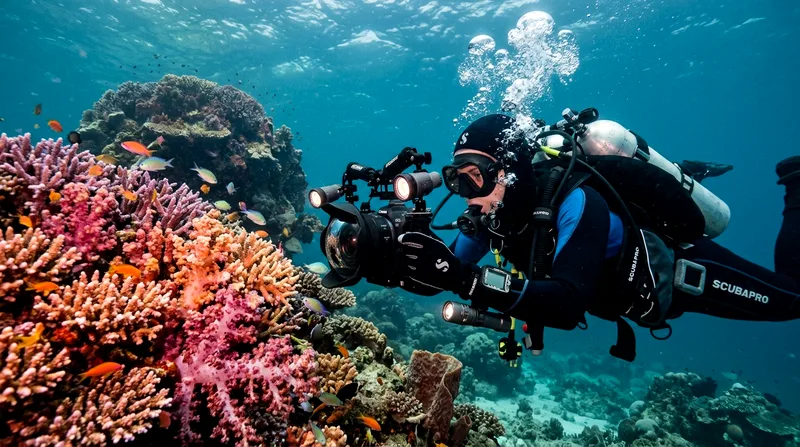
Dive insurance is rarely included and rarely required for a single Discover Scuba dive, but it's cheap peace of mind — short-term dive accident coverage through DAN (Divers Alert Network) runs a few hundred baht for a single day. Hotel transfers are sometimes bundled for boat trips departing from Chalong Pier or Rawai, but confirm this when booking rather than assuming. Underwater photos or GoPro footage are almost always a paid add-on, typically 500-1,500 THB for a photo package from the dive. If you get seasick easily, bring your own medication — boats heading to Phi Phi or the Similan Islands can take over an hour each way and operators don't always stock motion sickness tablets.
Ticket Options and Pricing Comparison
Phuket discover scuba diving price varies mainly by location and number of dives, not by brand. A shore-based single dive near Patong or Kata runs roughly 2,500-3,500 THB. Boat-based single-dive trips to sites like Racha Yai or Coral Island land around 3,500-4,500 THB, and multi-dive boat packages — two dives in one day, often including Phi Phi or further-flung sites — can run 5,500-7,500 THB. These figures are commonly published ranges across Phuket dive operators; always confirm the current price directly with the PADI center before booking, since fuel surcharges and site fees shift seasonally.
Boat-based multi-dive packages cost more but reach clearer water and better reef sites than shore dives near the main beaches.
Phuket Discover Scuba Diving price and package comparison
| Option | Typical Price (THB) | Dives Included | Best For |
|---|---|---|---|
| Shore dive (Patong/Kata) | approx. 2,500-3,500 | 1 | Low budget, short time |
| Boat dive (Racha Yai/Coral Island) | approx. 3,500-4,500 | 1 | Better visibility, half-day |
| Multi-dive boat package | approx. 5,500-7,500 | 2 | First-timers wanting more bottom time |
| Phi Phi day trip with DSD add-on | approx. 4,500-6,500 | 1-2 | Combining sightseeing with diving |
| Similan Islands liveaboard taster | approx. 8,000-12,000 | 2-3 | Serious first-timers, longer trip |
Prices are commonly published approximate ranges across Phuket operators; confirm current rates directly with the dive center before booking.
Single dive vs. multi-dive packages
A single dive is enough to know if you like the sensation of being underwater, but it's a short window — roughly half an hour of actual bottom time after a 20-30 minute briefing and skills check. Multi-dive packages give you a second dive, often at a different depth or site, which lets you relax into the equipment instead of spending the whole time concentrating on breathing technique. If budget allows, I'd lean toward the two-dive option; the first dive is usually spent adjusting, and the second is where it actually starts being enjoyable.
Boat-based and shore-based options
Shore dives are cheaper and shorter, good if you've got half a day free and want low commitment. But visibility near the main tourist beaches is often poor, especially during the May-October monsoon season when runoff clouds the water. Boat-based trips to Racha Yai, Coral Island, or further to Phi Phi cost more but deliver genuinely better visibility — often 15-20 meters versus 5-8 meters close to shore — and more marine life. If you're only doing this once, the boat option is the better use of money, similar to how choosing a Phang Nga Bay boat tour over a shore-based kayak trip gets you to better scenery for a bit more cash.
Where and How to Book
Booking Discover Scuba in Phuket is straightforward, but where you book from affects price, quality, and accountability if something goes wrong.
Official operator channels
The safest route is booking directly through a PADI 5-star dive center's own website or by calling/emailing them. PADI maintains a dive shop locator on padi.com where you can confirm a center is currently affiliated and in good standing — worth the two minutes it takes. Direct booking also means any changes, refunds, or complaints go straight to the people running the boat, not through a third-party agent who's already taken a cut and has less incentive to fix problems. Ask specifically about instructor-to-student ratio for Discover Scuba, what's included versus extra, and cancellation policy for bad weather — Andaman Sea conditions can turn in the May-October monsoon window and trips do get postponed.
Booking platforms and direct contact
Third-party booking platforms and hotel tour desks are convenient and sometimes cheaper upfront, but you lose some transparency about which operator actually runs the dive. It's common in Phuket for a tour desk to resell the same boat trip from three different agencies at three different prices. If you book through a platform, check reviews mention the specific dive center by name, not just the island or boat. For anyone who'd rather skip the haggling, comparing current prices and availability through a reputable booking platform alongside the operator's own site is a reasonable way to confirm you're not overpaying before you commit.
Is It Worth It by Traveller Type?
Whether Discover Scuba earns its price tag depends heavily on who you are and what else is on your Phuket itinerary.
Solo travellers and couples
Solo travelers get the most flexible scheduling — most shops will slot a single diver into an existing group trip, which keeps costs down versus booking a private session. Couples often get paired with the same instructor, which some operators offer as a semi-private option for a premium of roughly 20-30% over the group rate. If you're nervous about the water, that one-on-one time with an instructor is worth paying for; shared instruction with three other first-timers means less individual attention exactly when you need it most, in the first five minutes underwater.
Families and group divers
PADI's minimum age for Discover Scuba is generally 10 years old, sometimes extended to younger children under PADI's Bubblemaker program, which is shallower and pool-only. Families with teenagers will find this a genuinely good shared activity — more engaging than another beach day, and cheaper per person than chartering a private boat. Watch out for operators who run large family groups with a single instructor covering six or seven people in open water; insist on a lower ratio for kids. If your group includes non-swimmers or anyone with asthma or ear problems, a shallow shore dive or even a snorkeling trip around Phang Nga Bay is the more sensible, lower-risk alternative.
Frequently asked questions
Do I need to be certified to do Discover Scuba Diving?
No. Discover Scuba Diving is specifically designed for people with zero prior training or certification. You'll get a short briefing and a confined-water skills check before the instructor takes you into open water, holding onto you or staying within arm's reach throughout the dive.
How deep can I dive on a Discover Scuba course?
PADI sets a maximum depth of 12 meters for Discover Scuba Diving, though most Phuket operators keep first-timers at 5-8 meters, which is where the reef life and natural light are best anyway. Certified Open Water divers can go to 18 meters, so this is intentionally a shallower, lower-risk introduction.
What should I bring to my Discover Scuba booking?
Bring swimwear worn under light clothing, a towel, sunscreen (reef-safe if the operator requests it), and any seasickness medication if you're prone to it on boats. Most shops provide all dive equipment, but bring your own snorkeling mask if you have a preferred fit — it's a minor comfort detail that matters more than people expect on a first dive.
Can I upgrade to a full certification after Discover Scuba?
Yes, and many Phuket dive centers will credit part of your Discover Scuba fee toward an Open Water certification if you sign up within a day or two. Ask about this before booking the Discover Scuba session, since not every shop offers the credit and the policy varies.
Is Discover Scuba Diving safe for non-swimmers?
It's not recommended. PADI Discover Scuba doesn't require strong swimming ability, but comfort in water is important for managing anxiety at depth. Non-swimmers or those uneasy in open water are better served by a shallow snorkeling trip or a pool-only Bubblemaker-style session before attempting open-water scuba.