Cut costs on Phuket diving and snorkeling with combo deals, off-season booking, group discounts, and smart timing. Save without compromising safety.
Where Your Money Goes on Diving Tours
Before you chase savings, it helps to know what you're actually paying for. A day trip from Phuket to the Phi Phi Islands or a liveaboard run out to the Similan Islands isn't priced randomly — the cost breaks down into fairly predictable chunks, and understanding them tells you where there's room to cut and where there isn't.
Boat fuel, crew wages, park entrance fees, and insurance eat the biggest share. The Similan Islands and Phang Nga Bay both sit inside national marine parks, and entrance fees are set by Thailand's park authority, not by the dive shop — so you'll pay roughly the same park fee regardless of which operator you book with. What varies is everything wrapped around that: boat size, group size, how far the vessel travels, and whether lunch is a styrofoam box or a proper spread.
I'd rather pay slightly more for a smaller boat with a lower diver-to-guide ratio than save $10 on a 40-person cattle-boat trip to Phi Phi, where you spend half the day waiting in line to get in the water. That's a trade-off worth knowing before you book on price alone.
Operator fees and boat costs
Speedboats cost more to run than slower longtail-style boats, but they also get you to the Similan Islands or Phi Phi in roughly half the time — which matters if you're prone to seasickness or have limited days. Operators running larger boats spread fuel and crew costs across more passengers, which is often why big-group trips are cheaper per head. The trade is crowding at dive or snorkel sites, and less flexibility if you want extra time at a specific spot. Smaller, pricier boats usually mean more actual time in the water rather than in transit.
Equipment rental and certification
Mask, fins, and snorkel rental is usually bundled into snorkeling tour prices, but scuba gear — BCD, regulator, wetsuit, tank — is a separate line item if you're not already certified. PADI and SSI courses (the two certifying bodies you'll see throughout Phuket) both require multiple confined-water sessions plus open-water dives, typically spread over three to four days for an entry-level Open Water certificate. That course fee includes gear rental, instructor time, and certification processing — it's not padding, it's the actual cost of training a diver safely.
Legitimate Ways to Save on Tours
There are real, durable ways to reduce what you pay — none of them involve hunting for a discount code that doesn't exist. The two biggest levers are bundling multiple activities into one package and splitting costs across a group.
Combo packages and multi-day deals
Phuket tour operators commonly sell combo packages — snorkeling at Phi Phi in the morning, Phang Nga Bay's limestone cliffs and sea caves in the afternoon, for example — priced lower than booking each leg separately, because the boat, fuel, and staff costs are shared across one trip. Multi-day dive packages aimed at the Similan Islands work the same way: a three- or four-day liveaboard typically costs less per dive than booking the same number of single-day trips from the mainland, since you're not paying separate transfer costs each day. If you're planning to dive more than four or five times during your stay, price out a multi-day package before booking singles — the per-dive cost usually drops noticeably.
Group discounts and shared bookings
Traveling with four or more people gives you real use — many operators will quote a lower per-person rate for private charters once the group is large enough to fill a meaningful chunk of the boat. Solo travelers and couples don't have that option directly, but joining a scheduled shared-group trip instead of chartering privately is itself the savings move: you're splitting the boat cost with strangers rather than paying for the whole vessel. If you're a solo diver, scheduled group trips to the Similan Islands or Phi Phi are almost always cheaper than asking for a private boat, and the social side isn't a bad trade either.
Timing and Seasonality Strategies
Timing is probably the single biggest savings lever you control, and it costs nothing to use. Phuket's high season runs roughly November through April, when the Andaman Sea is calmest and diving conditions are best — which is also when prices peak and boats fill fastest. The low season, May through October, brings monsoon rains and rougher seas on the Andaman side, and the Similan Islands national park typically closes entirely from mid-May through mid-October for conservation reasons.
Shoulder season (November and April) offers the best balance of lower prices and reliable sea conditions for Phuket diving and snorkeling trips.
Phuket diving and snorkeling trip options compared by season, cost, and conditions
| Trip Type | Best Season | Relative Cost | Sea Conditions | Best For |
|---|---|---|---|---|
| Similan Islands liveaboard | Nov-Apr (park open) | High in peak months | Calm, clear | Serious divers, certification trips |
| Phi Phi Islands snorkeling | Year-round, best Nov-Apr | Moderate | Choppy in monsoon | Families, first-timers |
| Phang Nga Bay day tour | Year-round | Low to moderate | Sheltered, calmer | Non-divers, sightseeing combo |
| Shoulder season trips (Nov, Apr) | Nov, Apr | Lower than peak | Generally good | Budget travelers wanting good weather |
| Monsoon season trips (Jun-Sep) | Jun-Sep | Lowest | Rough, variable, cancellations possible | Flexible travelers, biggest savings |
Typical seasonal patterns; exact closures and conditions vary by year, so check current status before booking.
Off-season pricing advantages
Shoulder months — November and April, just before or after peak crowds — often give you a reasonable trade: decent weather, fewer boats at Phi Phi and Phang Nga Bay, and softer pricing than the December-to-February peak. True monsoon months (June through September) bring the steepest discounts on snorkeling day trips, but you're gambling on choppy seas and lower visibility, and some outer-island trips get canceled outright when conditions turn. If you're flexible and not fixated on diving the Similans specifically, shoulder season is the better bet than deep monsoon season.
Early booking discounts
Booking two to four weeks ahead, rather than the day before, consistently gets you better availability and often a lower rate, since operators price up as a departure date gets closer and seats become scarce. This matters most for Similan Islands liveaboards and PADI certification courses, both of which run on fixed schedules with capped group sizes — wait too long and you're either paying a premium for a last seat or missing the date entirely. Day-trip snorkeling to Phi Phi is more forgiving since departures run daily, but even there, booking ahead avoids the walk-up price, which is rarely the cheapest option.
What Not to Skimp On
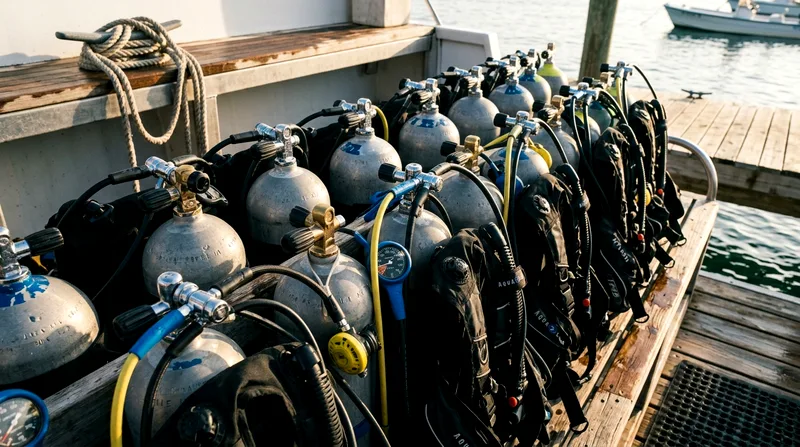
Saving money on a Phuket dive trip should never mean saving on the things that keep you alive underwater. There's a real difference between a smart discount and a corner cut, and it's worth knowing where that line sits before you book based on price alone.
Safety certifications and insurance
Any dive operator worth booking should be affiliated with PADI or SSI, and should be able to tell you plainly what their insurance covers — both for the boat and for diving-specific incidents like decompression sickness. If a listing is noticeably cheaper than comparable trips to the same sites and can't clearly answer questions about instructor certification or emergency procedures, that's your signal to walk away, not to celebrate the price. Dive accident insurance through DAN (Divers Alert Network) is cheap relative to the risk it covers — a few dollars a day — and worth buying separately if you're not certain your travel insurance covers decompression chamber treatment.
Professional guides and equipment quality
Low diver-to-guide ratios cost operators more to run, which is exactly why some budget trips cram twelve divers behind one instructor. For beginners or anyone diving sites with current — common around the Similan Islands — a ratio of four divers per guide or better is the safer standard. Worn BCDs, foggy masks, and regulators that haven't been serviced are the first casualties of a race-to-the-bottom pricing operator. If gear looks tired or smells strongly of mildew when you board, ask when it was last serviced; a reputable operator will have an answer ready, not a shrug.
Booking Checklist for Best Deals
Once you know your dates and roughly which sites you want — Phi Phi, Phang Nga Bay, or the Similans — the actual booking process is where the remaining savings live. This is mechanical, not magical: compare listings properly and you'll see real price spreads for near-identical trips.
Platform comparison and direct booking
Cross-check the same trip across a couple of booking platforms and, if possible, the operator's own site — prices for an identical Phi Phi snorkeling day trip or Similan Islands liveaboard can differ by a meaningful margin depending on commission structure. Booking platforms add convenience, reviews, and often free cancellation windows, which has real value if your plans might shift. Direct booking sometimes shaves off a platform fee but gives you less recourse if something goes wrong — you're relying entirely on the operator's goodwill rather than a platform's customer service team. For certification courses specifically, book through whichever channel lets you confirm instructor-to-student ratios and course dates in writing before you pay. Compare current boat tours and prices before you book, since rates shift with season and demand far more than they shift with which platform you use.
Frequently asked questions
What is the cheapest time to book diving tours in Phuket?
Deep monsoon months (June through September) bring the lowest prices on snorkeling day trips, but expect rougher Andaman Sea conditions and a higher chance of cancellation. For a better balance of savings and reliable weather, aim for shoulder season in November or April, just outside the November-to-April peak crowd window.
Do group bookings offer better rates than solo travelers?
Yes, generally. Groups of four or more can often negotiate a private charter at a lower per-person rate than solo bookings. Solo travelers and couples save more by joining scheduled shared-group trips rather than paying for a private boat alone.
Are combo snorkeling and diving packages worth the cost?
Usually, yes — combining a Phi Phi snorkeling stop with Phang Nga Bay sightseeing, or booking a multi-day Similan Islands package instead of single-day trips, typically lowers the per-activity cost since transfer and boat expenses are shared across the itinerary.
What safety features should never be compromised for savings?
Never skip PADI or SSI instructor certification, dive insurance coverage (including decompression treatment), and reasonable diver-to-guide ratios — ideally four divers or fewer per guide for open-water dives. A noticeably cheap trip that can't explain these clearly isn't a deal.
How far in advance should I book to get the best price?
Two to four weeks ahead works well for most day trips and gives you better odds on availability and price than booking the day before. For Similan Islands liveaboards or multi-day PADI courses, book four to six weeks out, since schedules are fixed and group sizes are capped.