Compare snorkeling and scuba diving tours in Phuket. Learn costs, fitness needs, and which suits beginners best to book your perfect water adventure.
Snorkeling vs Diving: Quick Comparison
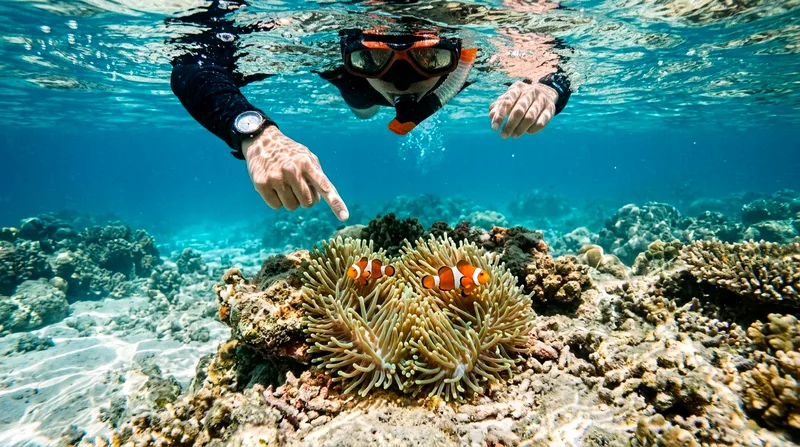
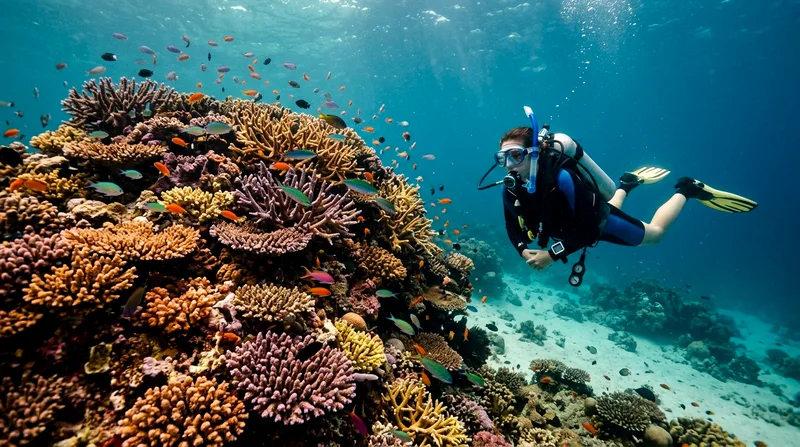
Both activities put you in the same water — the Andaman Sea around Phuket, Phi Phi, and the Similan Islands — but they're different experiences wearing similar swimwear. Snorkeling keeps you at the surface, breathing through a tube, looking down at reefs through a mask. Diving takes you below, breathing compressed air from a tank, with a guide controlling your depth and pace.
The decision usually comes down to three things: how much time you have, how comfortable you are putting your face fully underwater with equipment on, and whether you care about seeing deeper coral formations versus shallow reef edges. A snorkeling day trip to Phi Phi or Phang Nga Bay fits into a half-day or full-day boat tour with minimal prep. An introductory dive adds a briefing, equipment fitting, and a slower, more controlled entry into the water — usually with a 1:2 or 1:4 instructor-to-guest ratio for beginners.
I'd push back on anyone who tells you diving is strictly "better." It's different. Snorkeling is more social, cheaper, and works for a wider age range. Diving rewards patience and a bit of nervousness tolerance, but it opens up sites that snorkelers simply can't reach, like the drop-offs near Koh Bida Nok or the boulder formations at the Similans.
Snorkeling costs less and needs no training, while diving reaches deeper sites but demands more time, fitness, and budget.
Phuket snorkeling vs diving tour comparison: cost, time, and difficulty
| Activity | Typical Cost (per person) | Time Needed | Depth Reached | Training Required | Best For |
|---|---|---|---|---|---|
| Snorkeling day trip | $40-85 | Half or full day | 2-6 meters | None | Families, non-swimmers, budget travelers |
| Intro dive (no certification) | $95-140 | Half day | Up to 12 meters | Short pool briefing | Curious beginners, short trips |
| PADI Open Water course | $330-450 | 3-4 days | Up to 18 meters | Full certification | Repeat visitors, future divers |
| Similan liveaboard diving | $400-700+ | 2-4 days | 15-30 meters | Certification required | Experienced divers, adventure seekers |
Prices are typical ranges and vary by operator and season — check current prices when booking.
How snorkeling works
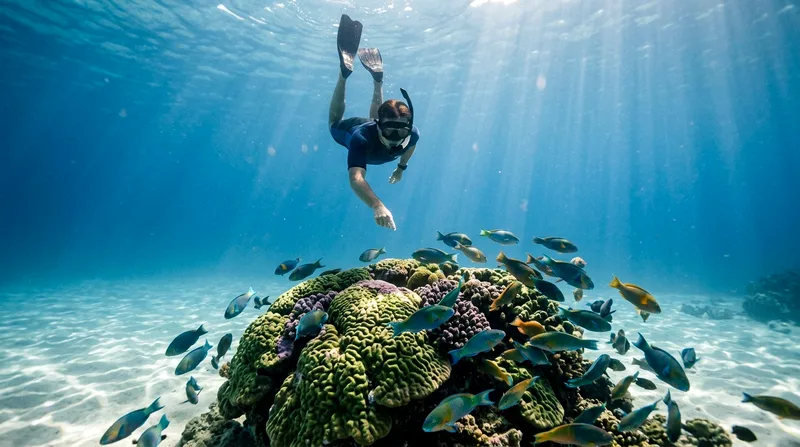
You wear a mask, snorkel tube, and fins, and float face-down at the surface. No certification, no classroom time — most operators give a five-minute safety briefing on the boat before you jump in. Life vests are usually available and recommended for weak swimmers, though confident swimmers often skip them to dive down a few feet for a closer look. Trips typically include 2-4 snorkel stops across a day, each lasting 30-60 minutes.
How intro diving works
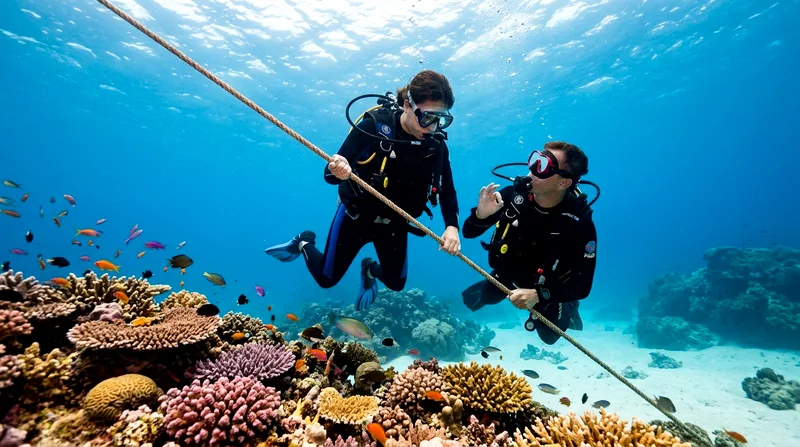
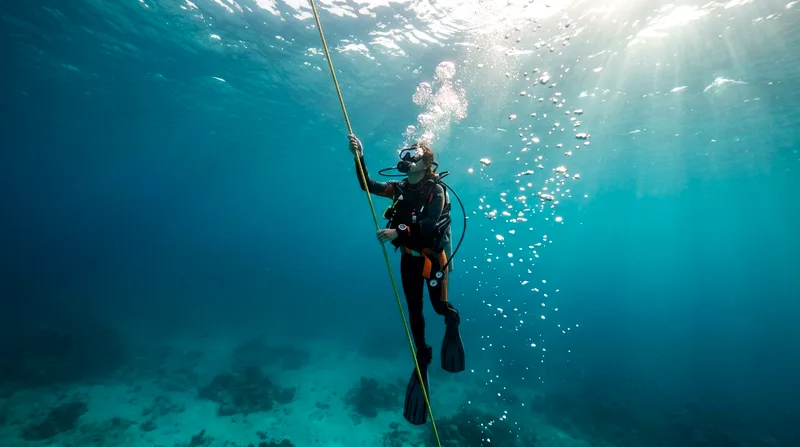
An introductory dive — sometimes marketed as "Discover Scuba Diving" — starts with 20-30 minutes of pool or shallow-water practice: clearing your mask, controlling buoyancy, breathing through the regulator. Then an instructor leads you on an open-water dive, usually capped around 12 meters for beginners, lasting 30-40 minutes. No PADI certification is required for this intro version, but you're always directly supervised, often holding the instructor's arm for the first dive.
Cost: What You'll Actually Spend
Price is where the gap between these two activities becomes obvious, and it's usually the deciding factor for budget travelers and families juggling multiple kids' activities.
Snorkeling tour pricing
A day trip combining snorkeling with island-hopping — Phi Phi, Phang Nga Bay, or the smaller Racha Islands — typically runs in the range of 1,500-3,000 THB per adult (roughly $40-85), including boat transport, lunch, and gear rental. Kids usually get a discount of 20-30%. Private longtail charters cost more but let you set your own pace and skip crowded stops. This is the better bet if you're traveling with grandparents or young children who tire quickly — nobody's forcing you to put your head underwater if you're not feeling it that day.
Diving certification and tour costs
A single introductory dive, no certification, generally costs 3,500-5,000 THB (about $95-140) for one or two dives in a day. A full PADI Open Water certification course — the entry-level qualification that lets you dive independently worldwide — takes three to four days and costs roughly 12,000-16,000 THB ($330-450), including manuals, equipment, and a certification card. Liveaboard trips to the Similan Islands, which only run during the November-to-April season, cost considerably more — often $400-700 for multi-day boat-based diving. If you're only in Phuket for a week, the intro dive is the realistic option; the full course eats most of a vacation.
Fitness, Training, and Effort Required
This is where a lot of people make the wrong call for their body and comfort level, so it's worth being honest with yourself here.
Physical demands of each
Snorkeling demands basic swimming comfort and the ability to float — that's it. You can wear a life vest the entire time and still see plenty. Diving asks more of your body: you need to equalize pressure in your ears as you descend, control your breathing rate, and manage mild claustrophobia from the mask and regulator. People with asthma, recent ear surgery, or uncontrolled high blood pressure should get a doctor's clearance before an intro dive — most dive shops in Phuket will ask you to fill out a medical questionnaire, and a positive answer on certain questions means you need written medical sign-off before they'll take you.
Training and certification needs
Snorkeling needs zero formal training. Diving needs at minimum a short pool briefing for an intro dive, or three to four days of classroom, pool, and open-water sessions for PADI Open Water certification. If you think you'll want to dive again elsewhere — Koh Lanta, the Similans on a future trip, or anywhere else in the world — getting certified in Phuket rather than just doing repeat intro dives saves money long-term, since intro dives don't count toward any qualification.
Views, Marine Life, and Experience
Marine life in the Andaman Sea doesn't stay neatly split between surface and depth, but what you notice changes a lot depending on which activity you choose.
What you see while snorkeling
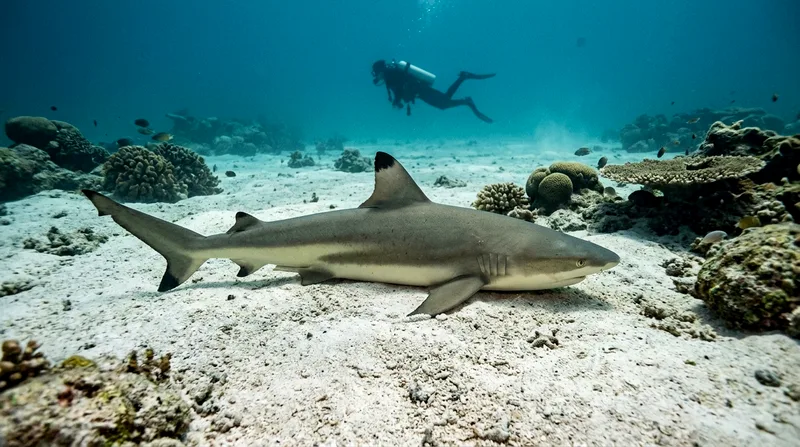
From the surface, you'll see shallow reef tops, often in 2-6 meters of water: parrotfish, clownfish darting in and out of anemones, sea cucumbers, and the occasional reef shark sighting at spots like Koh Phi Phi's Hin Klai or the Similans' shallower bays. Visibility runs 10-20 meters on a calm day. Coral condition varies — some areas near heavily trafficked boat stops show bleaching and breakage from anchors and careless swimmers, which is worth asking your operator about before booking.
Crowds and Best Times to Go
Timing affects both activities, but it hits snorkeling tours harder because boats cram into the same handful of popular bays.
Peak season and tourist volume
November through April is Phuket's dry season and also its busiest. Popular snorkeling stops like Maya Bay (Phi Phi) and the main bays in Phang Nga Bay can see dozens of boats anchored at once by mid-morning, churning up visibility and crowding the water. Diving trips feel less congested since dive groups spread across different sites and depths, but the Similan Islands — only accessible by boat during this season — get booked out on popular liveaboard departures weeks ahead in peak months like December and January.
Quieter alternatives
If crowds bother you, consider Koh Lanta or the Racha Islands for snorkeling — both see noticeably fewer boats than Phi Phi. For diving, shoulder months like May or October (just before or after monsoon season) offer calmer seas and thinner crowds, though visibility can drop with increased plankton. Early morning departures, generally before 8 AM, beat the crowds at any site regardless of season.
Which Option Is Right for You?
Neither option is objectively superior — they solve different problems. Here's how I'd sort travelers.
Best for beginners and non-swimmers
If you're not a strong swimmer, have young kids, or only have a day or two to spare, snorkeling wins easily. It's cheaper, requires no training, and a life vest solves most confidence issues. Families with kids under 10 should stick to snorkeling — most dive operators set a minimum age of 10-12 for intro dives, and younger kids often find the equipment uncomfortable anyway.
Best for adventure seekers
If you've got at least three to four days free, decent health, and genuine curiosity about marine life beyond the shallows, book the PADI Open Water course or at minimum an intro dive. Solo travelers and couples with flexible itineraries get the most value here, since certification pays off on future trips to Koh Lanta, the Philippines, or anywhere else with reefs. Nightlife fans squeezing in a quick Phuket trip between Bangla Road nights should be realistic — diving needs a clear head and no alcohol the night before, which doesn't always mix with a Patong itinerary.
Frequently asked questions
Do I need to know how to swim to snorkel in Phuket?
Basic comfort in water helps, but you don't need to be a strong swimmer. Most snorkeling tours provide life vests, and you can float at the surface without ever kicking hard. If you're genuinely nervous about water, tell your tour operator in advance — they'll usually pair you with a guide or keep you closer to the boat.
How much does a beginner diving course cost in Phuket?
A full PADI Open Water certification typically runs 12,000-16,000 THB (roughly $330-450) and takes three to four days. A single introductory dive without certification costs less, usually 3,500-5,000 THB ($95-140), and fits into one day.
Can I see the same marine life snorkeling as diving?
Partially. Shallow reef species like clownfish, parrotfish, and sea cucumbers are visible to snorkelers. Larger or deeper-dwelling species — leopard sharks, mantas, and healthier coral walls — mostly require diving to 10 meters or more, especially around sites like Richelieu Rock near the Similans.
Is diving worth the extra cost and training?
If you plan to dive again on future trips, yes — certification is a one-time investment that works worldwide. If this is a one-off Phuket trip and you're unsure about being underwater with equipment, an intro dive or straightforward snorkeling trip delivers most of the experience for less money and commitment.
What's the age limit for scuba diving in Phuket?
Most operators set a minimum age of 10-12 for introductory dives and junior certification programs, with full PADI Open Water certification typically available from age 10 (junior) or 15 (adult card). There's generally no strict upper age limit, but a medical questionnaire is required for all divers, and older travelers with heart or respiratory conditions should get a doctor's clearance first.