Plan your Similan Islands day trip from Phuket: tour options, open season, permits, pricing ranges and what to expect on the water.
What Are the Similan Islands
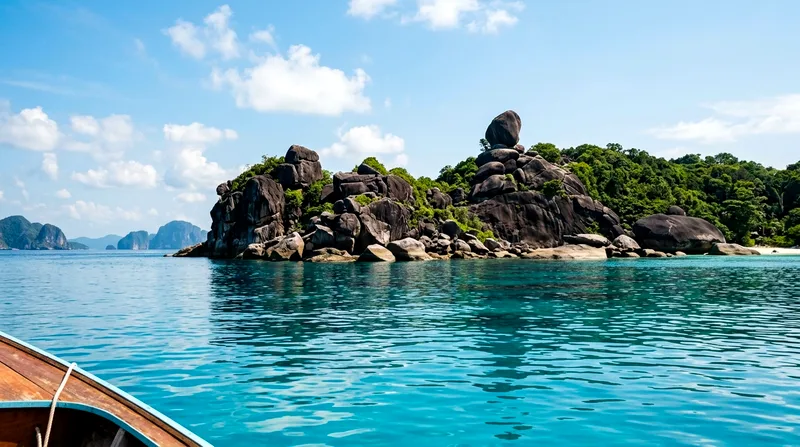
The Similan Islands are a chain of nine granite islands roughly 60-70 km off the coast of Phang Nga Province, protected as Similan Islands National Marine Park. They sit in the Andaman Sea northwest of Phuket, closer in practice to the mainland town of Khao Lak than to Phuket itself — a detail that matters when you're comparing tour prices and transfer times. Most Phuket-based tours actually bus guests up to a Khao Lak-area pier before the boat journey even starts, which is why a "day trip from Phuket" often means an 05:00 or earlier pickup.
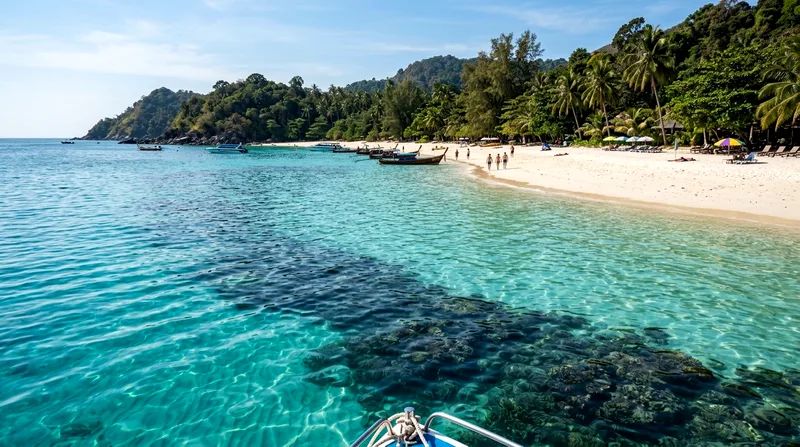
What makes the islands distinct from Phang Nga Bay or the limestone karsts near Krabi is the rock itself: smooth, rounded granite boulders stacked into dramatic shapes, with powder-white beaches wedged between them. There's no cave-and-karst scenery here like James Bond Island — this is open water, steep drop-offs, and some of the clearest visibility in Thailand, often 15-25 meters in good conditions.
I'd rank the Similans above Koh Phi Phi for snorkeling quality, honestly, though Phi Phi wins on convenience and nightlife. If you want postcard limestone cliffs, go to Phang Nga Bay instead; if you want fish and coral, the Similans are the better bet.
Why they're worth visiting
The appeal isn't just the water clarity — it's the lack of development. Unlike Koh Samui or Phuket's own beaches, there are no resorts, beach bars, or jet-ski rentals on most of the nine islands. Overnight stays are limited to a small national park campsite and bungalow setup on Island 4 (Koh Miang), and even that's only open during peak season. For a day-tripper, this translates to beaches that aren't lined with sunbeds and water that isn't churned by longtail traffic. It's one of the few places within striking distance of Phuket that still feels genuinely undeveloped, which is increasingly rare in this part of Thailand.
Marine life and diving highlights
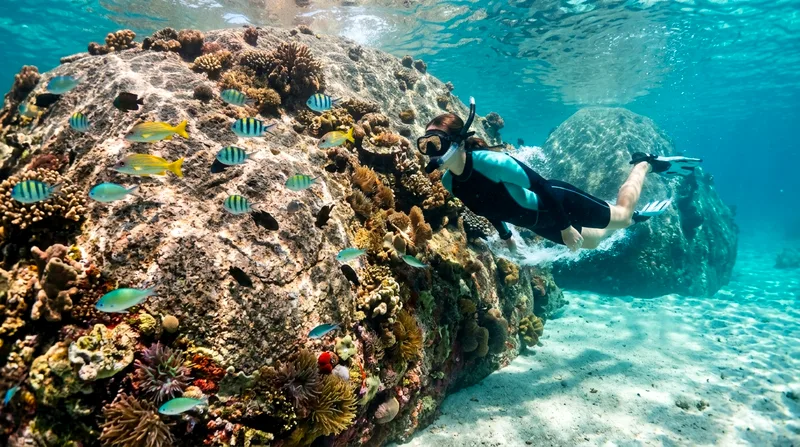
Snorkelers regularly see parrotfish, clownfish, moray eels, and reef sharks in the shallows around Island 7 (Koh Payu) and Island 8 (Koh Similan). Divers go deeper for leopard sharks, and between December and April there's a real — though not guaranteed — chance of whale sharks or manta rays, especially around Koh Bon and Koh Tachai, two satellite sites north of the main chain that many dive-focused tours add on. Visibility and current vary by site and tide, so don't expect every stop to match the brochure photo; some mornings are glassy, others have noticeable swell even in dry season.
How to Visit: Independent vs. Organized Tours
You can't really "wing" the Similans the way you might a trip to Koh Lanta or Koh Lipe. There's no public ferry network connecting Phuket to the park, and the islands have no commercial airport or pier town — access is entirely boat-based, launched either from Khao Lak (the shortest crossing, around 1-1.5 hours by speedboat) or from Phuket/Khao Lak-area piers that tours use for pickup convenience. For a day trip specifically from Phuket, that usually means a 2.5-3 hour speedboat run each way once you add the road transfer and sea crossing together.
The Similans offer the best snorkeling of the group but cost more and take longer to reach than Phang Nga Bay or Phi Phi.
Similan Islands day trip from Phuket vs other Andaman Sea day trips compared
| Destination | Travel time from Phuket (one-way) | Typical trip cost | Open season | Best for |
|---|---|---|---|---|
| Similan Islands | approx. 2.5-3 hrs (road + speedboat) | Highest of this group | Mid-Oct to mid-May only | Snorkeling, diving, clear water |
| Phang Nga Bay | approx. 1-1.5 hrs by boat | Lower-mid range | Year-round | Karst scenery, kayaking |
| Koh Phi Phi | approx. 1.5-2 hrs by speedboat | Mid range | Year-round | Snorkeling, beach day, nightlife |
| Koh Lanta | approx. 2-3 hrs by ferry | Mid range | Year-round (best Nov-Apr) | Slower pace, longer stays |
| Khao Lak | approx. 1.5-2 hrs by road | N/A (base, not a day trip) | Year-round | Dive base, shorter Similans crossing |
Figures are typical ranges and vary by operator, season, and sea conditions, so check current schedules and prices before booking.
Organized tour advantages
A packaged tour handles the park permit, boat transfer, snorkeling gear, lunch, and a National Park entrance fee that's awkward to arrange solo (foreigners pay in cash on arrival, and the fee structure has changed before without much notice). Guides also know which bays are calm that day and which to skip, which matters more here than at a sheltered spot like Phang Nga Bay. For most visitors — solo travelers, couples, and especially families — this is the sensible default. The trade-off is a fixed schedule: you leave when the group leaves and snorkel where the group snorkels, with roughly 20-40 minutes at each stop.
Self-arranged logistics
Arranging your own boat is possible but makes little financial sense for a single day trip — chartering a private speedboat runs many times the cost of a shared tour seat, and you'd still need to buy the national park permit yourself at the pier or online. It can be worth it for dive groups of 6-8 people splitting a private boat, or for divers doing a liveaboard that starts in Khao Lak rather than Phuket. If that's you, book through a PADI-affiliated dive operator directly rather than a general tour agency, and confirm whether Nitrox and extra tanks are included or charged separately.
Booking Your Day Trip
Expect a Similan Islands tour price from Phuket to sit noticeably higher than a Phang Nga Bay or Koh Phi Phi day trip, mainly because of fuel and distance — budget roughly double what you'd pay for a Phi Phi speedboat tour, though exact figures shift with fuel costs and season, so compare current prices when booking rather than relying on last year's number. Snorkeling-only trips are cheaper than diving day trips, which add tank rental, weight belts, and a dive guide fee.
Tour operator selection
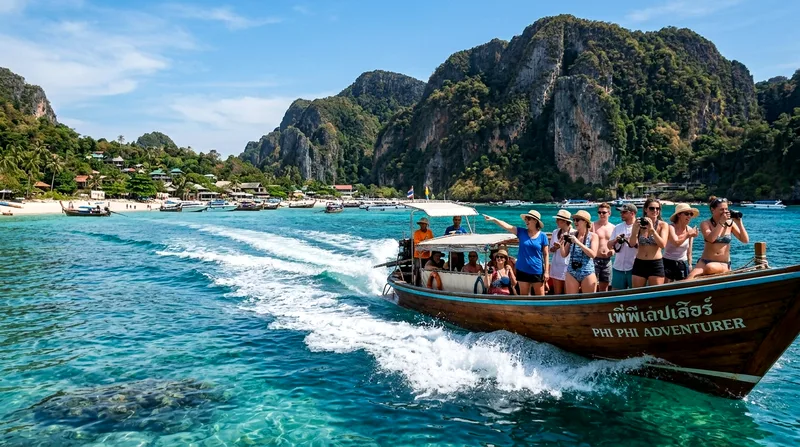
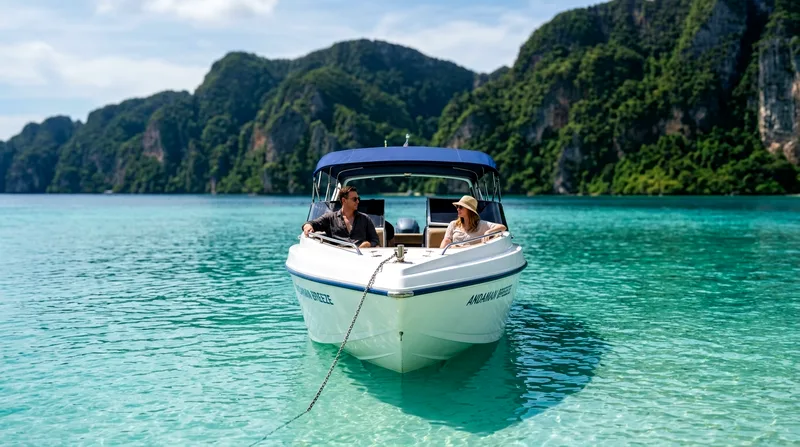
Look for operators who depart from Khao Lak piers rather than Phuket's own piers if you want to shave an hour off travel time — some "Phuket" tours are really Khao Lak boats with a long minivan transfer bundled in, which isn't disclosed clearly in every listing. Check the boat type: a proper speedboat holds 20-40 passengers and cuts crossing time significantly versus a larger wooden tour boat, which is slower but more stable in swell — a real consideration if you're prone to seasickness. Read what's said about group size; a boat of 60+ people means crowded snorkel spots and a rushed lunch stop.
What's included in packages
Standard inclusions are hotel pickup (usually from the Patong, Kata, Karon, and Phuket Town areas), round-trip speedboat transfer, mask and snorkel, a buffet or set lunch, fruit, and park entry. Towels, wetsuits, and underwater cameras are typically extras you rent on the day for a few hundred baht. Confirm whether the national park fee is included — some budget listings exclude it to look cheaper, then collect it in cash at the pier, which can surprise travelers who didn't read the fine print.
Season and Permit Requirements
This is the section that actually decides whether your trip happens at all, more than price or operator choice ever will.
Open season dates
Similan Islands National Marine Park closes annually during the southwest monsoon, typically from mid-May through mid-October, to let the reefs and beaches recover and because sea conditions become genuinely unsafe for small boats. This is a hard closure enforced by the Department of National Parks, not a soft recommendation — no legitimate tour operator runs Similan trips during these months, whatever a cheap listing might imply. If you're traveling in June, July, or August, drop the Similans entirely and look at Phang Nga Bay, Koh Phi Phi, or Phuket's own west coast islands instead, which stay accessible year-round. The best time to visit Similan Islands is December through April, when seas are calmest and visibility peaks; late October and early May can work but with more variable conditions.
National park permits
Every visitor needs a national park entrance ticket, and foreigners pay a separate, higher rate than Thai nationals — a common structure across Thailand's marine parks, including Phi Phi's Maya Bay. Most tour prices either include this or list it as a mandatory add-on collected at the pier; carry small cash in Thai baht just in case. There's no visa-style application process — it's a same-day entry fee, not a pre-approved permit — but the park does cap daily visitor numbers, so very popular dates in peak season (Thai public holidays especially) can sell out tour seats even if the park itself has room.
What to Expect and Nearby Add-Ons
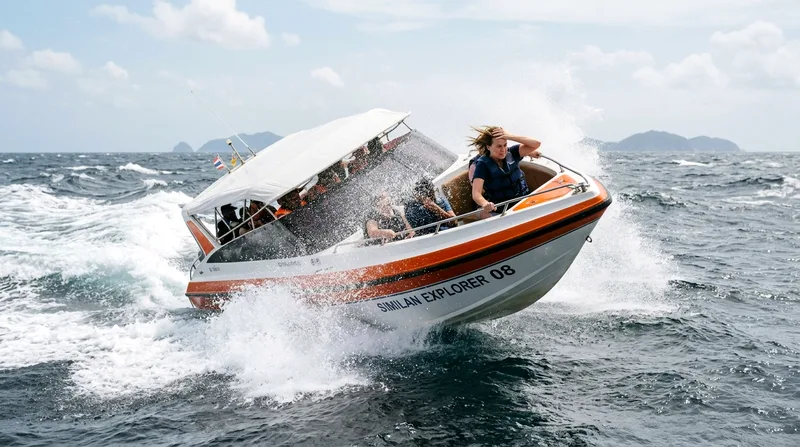
Bring reef-safe sunscreen, a rash guard or light long-sleeve shirt (sunburn on the boat is the most common complaint from this trip), motion sickness tablets if you're at all unsure, and a dry bag for your phone. Seas can still have swell even in open season, and the ride back in the afternoon tends to be rougher than the morning crossing. Travel insurance that explicitly covers snorkeling and small-boat transport is worth checking before you go — standard policies sometimes exclude water activities unless named.
Typical itinerary and duration
A standard day runs 12-14 hours door to door: hotel pickup around 05:30-06:30, road transfer, speedboat departure, then three to four snorkel or dive stops across different islands, a lunch break on a beach or aboard the boat, and the return crossing arriving back at your hotel by around 18:00-19:00. That's a long day, and it's worth factoring into the rest of your Phuket itinerary — don't plan a big night out the same evening, because most people are genuinely tired by the time they're back.
Nearby islands and activities
Diving-focused itineraries often extend to Koh Bon and Koh Tachai for a shot at bigger marine life, usually as a separate, pricier trip rather than tacked onto the standard snorkel day. If the Similans are closed or booked out, Phang Nga Bay offers sea-cave kayaking and karst scenery in a few hours round trip, while Koh Phi Phi and the Phi Phi Marine Park give a shorter, cheaper snorkeling alternative closer to Phuket. Khao Lak itself is worth a night if you want to start the Similans crossing fresh rather than tacking a 3am Phuket wake-up onto an already long day.
Frequently asked questions
Can you visit Similan Islands as a day trip from Phuket?
Yes, but it's a long day — expect 12-14 hours total including a road transfer to a Khao Lak-area pier and a speedboat crossing of 1.5-2 hours each way. It's only possible when the park is open, roughly mid-October to mid-May.
What is the best season to visit Similan Islands?
December through April gives the calmest seas and best visibility. The park is fully closed mid-May to mid-October for monsoon safety and reef recovery, so no tours run then regardless of what a listing claims.
Do you need a permit to visit Similan Islands?
Yes, a national park entrance fee applies to every visitor, with a higher rate for foreigners than Thai nationals. Most tours include it in the price or collect it in cash at the pier — confirm which before you book.
How much does a Similan Islands day trip cost?
Prices run noticeably higher than Phi Phi or Phang Nga Bay trips due to fuel and distance, roughly double in many cases. Diving day trips cost more again due to equipment rental. Compare current prices when booking since rates shift with season and fuel costs.
What marine life can you see at Similan Islands?
Expect parrotfish, clownfish, moray eels, and reef sharks on snorkel stops. Divers visiting Koh Bon and Koh Tachai between December and April have a reasonable, though not guaranteed, chance of manta rays or whale sharks.