Planning a Phuket elephant sanctuary tour? Compare ethical options, prices, what's included, and how to book a responsible elephant experience.
What Is an Ethical Elephant Sanctuary
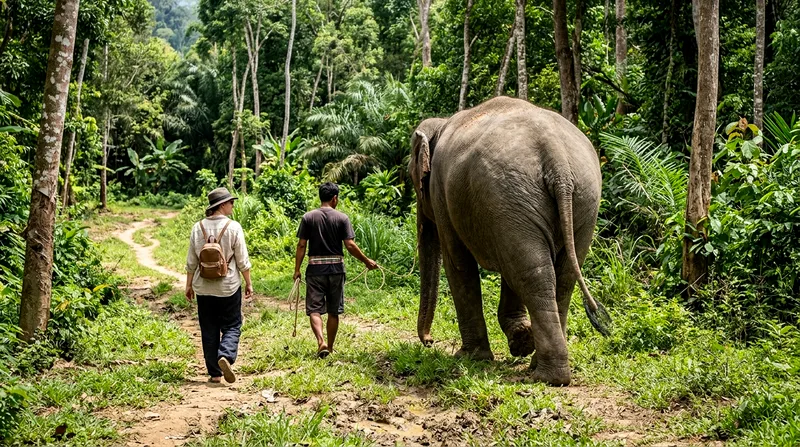
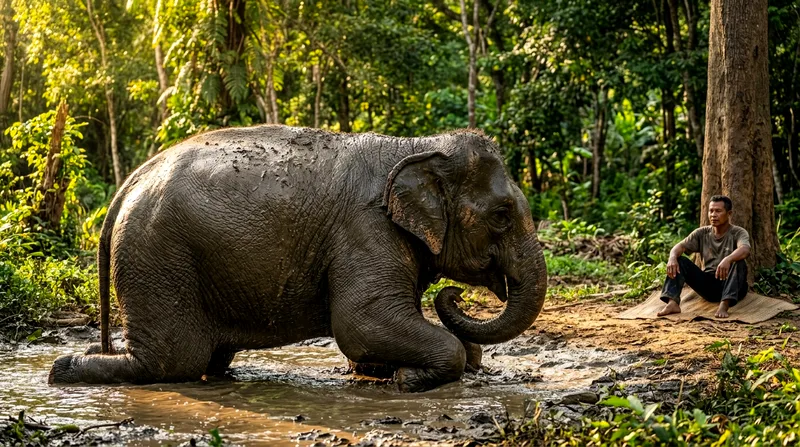
A genuine elephant sanctuary exists to care for elephants that were retired from logging, street begging, or tourist riding camps — not to produce elephants for entertainment. The core test is simple: does the elephant choose its own activity, or is it directed with a hook or command for a show? At a proper sanctuary, elephants walk, forage, mud-bathe, and socialize largely on their own terms, while mahouts and guides keep a supervisory distance rather than directing tricks.
Phuket itself has limited land for large sanctuaries, so most of the well-regarded ones sit in Phang Nga Province, roughly 45 minutes to 90 minutes north of Phuket town, with some near Khao Lak. A few smaller operations exist closer to Kathu and the hills behind Patong Beach, but space constraints mean these tend to host fewer elephants on smaller plots.
I'd treat any place offering elephant rides, elephant painting, or football tricks as a camp, not a sanctuary — full stop. These activities require training methods incompatible with welfare-first care, regardless of what the brochure calls the place.
Sanctuary standards and animal welfare
Organizations like World Animal Protection and the Global Federation of Animal Sanctuaries (GFAS) have published criteria that genuine sanctuaries should meet: no breeding for tourism, no physical punishment, adequate space per elephant, and veterinary care on-site or on call. GFAS accreditation is rare in Thailand — very few elephant facilities hold it — so its absence doesn't disqualify a place, but its presence is a strong positive signal worth checking for on an operator's website before booking.
Watch for vague welfare claims with no specifics. A trustworthy operation will tell you exactly how many elephants they host, their ages and backgrounds, and what a typical day looks like without customers directing contact.
How sanctuaries differ from camps
Traditional elephant camps generate revenue through rides, shows, and photo-ops, which require elephants to perform on cue — often trained through methods sanctuaries reject. Rebranded "sanctuaries" sometimes keep riding but drop the shows, which is only a partial improvement. Ask directly: can visitors ride, bathe elephants on command, or feed them close-contact snacks repeatedly for photos? If yes to any, it's closer to a camp with a new sign than a true sanctuary, similar to how some "eco-resorts" near Khao Lak use the label loosely without real certification behind it.
Why Visit an Elephant Sanctuary in Phuket
A well-run sanctuary visit gives you something a beach day or temple tour doesn't: sustained time observing elephant behavior at close range — rumbling communication, dust-bathing, herd hierarchy — explained by guides who often know each animal's history. For families, it's a rare chance for kids to see elephants without the ethically uncomfortable context of a ride or trick show.
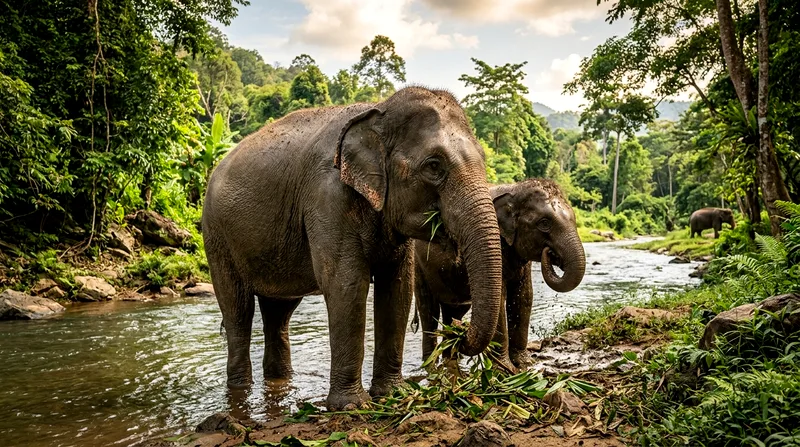
There's also a financial argument. Entry fees at legitimate sanctuaries fund food (adult elephants eat roughly 150-200 kg of vegetation daily), veterinary costs, and staff wages for mahouts who've moved away from riding-based work. Visiting responsibly directs tourist spending toward retirement care rather than performance-based camps, which matters in an industry where elephant welfare depends heavily on what visitors are willing to pay for.
I wouldn't oversell the "conservation" angle, though — these are mostly rescued, captive-bred, or domesticated elephants unsuitable for release into the wild, not a wild population recovery program like you'd find in actual protected forest reserves. It's welfare and retirement care, which is valuable, but it's not the same as rewilding.
Educational and conservation benefits
Most sanctuaries build a short education segment into the visit — usually 15-20 minutes covering Thailand's logging ban (1989), the unemployment crisis it created for working elephants, and how tourism filled that economic gap, for better and worse. It's genuinely useful context, especially for older kids and teenagers, and it explains why so many of Thailand's captive elephants exist in the first place rather than in the wild.
Supporting ethical tourism
Your ticket price is effectively a vote. Sanctuaries charging noticeably less than competitors are often cutting corners on food quality, land size, or staff training. If you're comparing two options and one is 40% cheaper with no explanation, that's a legitimate red flag, not a bargain.
How to Visit: Independent vs. Guided Tours
Most sanctuaries near Phuket sit far enough outside town that getting there independently means renting a car or hiring a private driver for the day — expect to pay roughly 1,500-2,500 THB for a round-trip driver from Phuket town or Patong, depending on distance and wait time. A guided tour, by contrast, usually bundles hotel pickup, the entry ticket, lunch, and return transport into one price, which is often only modestly more than doing it piecemeal yourself.
A guided full-day tour costs more than going independently but removes the transport and booking hassle of reaching sanctuaries outside Phuket.
Phuket elephant sanctuary tour options compared: cost, time and transport
| Visit Type | Typical Cost (THB) | Duration | Transport Included | Best For |
|---|---|---|---|---|
| Self-drive half-day | 1,500-2,500 (entry only) | 3-4 hours | No | Travelers with a rental car |
| Self-drive full-day | 2,500-4,000 (entry only) | 6-8 hours | No | Independent couples, flexible schedules |
| Guided half-day tour | 2,000-3,000 | 3-4 hours | Yes | Families with young children |
| Guided full-day tour | 3,500-4,500 | 6-8 hours | Yes | First-time visitors, no rental car |
| Combo (sanctuary + Phang Nga Bay) | 4,000-6,000 | Full day | Yes | Travelers wanting two experiences in one trip |
Prices are typical ranges and vary by operator and season; check current prices and inclusions when booking.
Self-guided sanctuary visits
Going independently works best if you're renting a car anyway or staying in Phang Nga rather than central Phuket. You'll book your entry slot directly with the sanctuary, which gives you flexibility on timing, but you lose the built-in commentary a tour guide provides and you're responsible for navigating rural roads — some sanctuary access roads are unpaved and poorly signed. If you're not confident driving in Thailand, this route adds more hassle than it saves.
Organized tour operators and packages
For most visitors, especially families and anyone without a rental car, a packaged tour is the simpler choice. You're picked up from your Phuket or Patong hotel, driven in an air-conditioned van, and walked through the visit by a guide who translates the mahouts' commentary. The trade-off is a fixed schedule — you'll typically be grouped with 10-20 other visitors and move through the day's activities (feeding, walking, mud bath, river bathing) on a set timetable rather than at your own pace.
Tickets, Pricing and What's Included
Phuket elephant sanctuary tickets typically run from around 2,000 THB for a half-day visit to 3,500-4,500 THB for a full-day package including lunch, transport, and extended observation time. Children's pricing is usually 50-70% of the adult rate. These figures vary by operator and season, so treat them as a general range and check current prices when booking.
Entry fees and package options
Half-day visits (roughly 3-4 hours) suit families with young kids or anyone short on time, and usually include feeding and observation without the river-bathing segment. Full-day packages add lunch, a longer walk through the sanctuary grounds, and often a mud-bath or river session where visitors can help rinse elephants off — always from a position the elephant approaches voluntarily, not one it's led into.
Inclusions: meals, activities, duration
A fair full-day ticket should include hotel transfer, bottled water, a Thai lunch (often buffet-style for groups), protective clothing or a sarong for the mud/river section, and a guide throughout. Confirm whether "feeding" means hand-feeding from a basket at close range or tossing fruit into an enclosure — both exist under the same marketing language, and the experience differs considerably.
Best Time to Visit Sanctuaries
Phuket's dry season, roughly November through April, is the easiest time to visit — reliable weather, dry access roads, and sanctuaries running at full activity levels. The wet season, June through October, brings heavier rain in short afternoon bursts; mornings are often still clear, so an early slot (most tours start between 8:00 and 9:00 am) reduces your odds of a washout.
Seasonal weather considerations
Rain isn't necessarily bad for the visit itself — elephants are generally more active and the vegetation is greener — but unpaved access roads to some rural sanctuaries can get muddy and slow during September and October, the wettest stretch. If you're sensitive to heat, November through February is also cooler and more comfortable for a few hours outdoors.
Crowd levels and animal behavior
December through February is peak tourist season in Phuket, and sanctuaries book out morning slots a week or more in advance. Afternoon sessions tend to be quieter but hotter, and elephants are often less active after midday heat sets in. If observing natural behavior matters more to you than convenience, aim for an early morning slot outside the December-February peak — April and September tend to be noticeably less crowded.
Nearby Attractions and Add-Ons
Because most sanctuaries sit north of Phuket toward Phang Nga Province, it's worth building the day around other things in that direction rather than treating it as an isolated trip back and forth to Patong.
Combine with jungle or nature tours
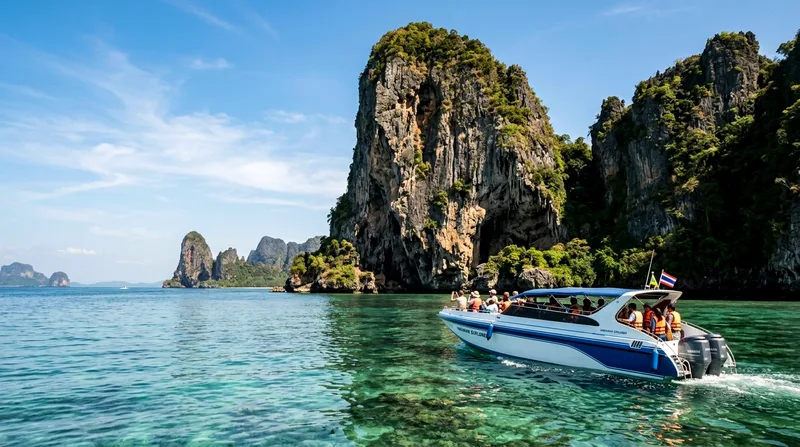
Some operators pair a half-day sanctuary visit with a Phang Nga Bay boat trip or a jungle trek, since both depart from similar areas north of Phuket town. If you want a bigger nature day, Khao Yai National Park is too far for a day trip from Phuket (it's near Bangkok), but Khao Lak's Khao Sok National Park is a realistic pairing, roughly 90 minutes from several sanctuary locations, with limestone cliffs and a lake comparable to Phang Nga Bay's scenery but far less crowded.
Local villages and cultural experiences
If you'd rather stay closer to the city, Phuket Old Town's Sino-Portuguese shophouses and morning market make a good cultural half-day either before or after a sanctuary visit, especially if your sanctuary is on the Kathu side rather than deep in Phang Nga. It's a reasonable way to balance a wildlife-focused morning with a walkable, café-heavy afternoon.
Frequently asked questions
What makes an elephant sanctuary ethical?
No riding, no shows or tricks, and no forced bathing on command are the baseline tests. Elephants should be able to walk away from visitors, forage freely, and socialize without a mahout directing every movement. Look for operators who disclose each elephant's background and avoid vague welfare language with no specifics behind it.
How much does a Phuket elephant sanctuary tour cost?
Expect roughly 2,000 THB for a half-day visit and 3,500-4,500 THB for a full-day package including transport and lunch. Children usually pay 50-70% of the adult price. Prices below this range are worth questioning, since legitimate elephant care is genuinely expensive to fund.
Can you ride elephants at sanctuaries?
No — if riding is offered, it isn't a true sanctuary regardless of the name on the sign. Riding requires training and control methods that conflict with welfare-first care, which is exactly what separates sanctuaries from rebranded elephant camps.
What should I bring to an elephant sanctuary?
Bring a change of clothes or swimwear if the package includes mud or river bathing, closed shoes for walking on uneven ground, sun protection, and insect repellent. Most sanctuaries provide water and a sarong or poncho for the wet activities, but confirm this when booking.
Are elephant sanctuaries suitable for children?
Yes, generally — half-day visits with feeding and observation (no mud bath) suit younger kids best, since full-day programs involve more walking and heat exposure. Check the minimum age policy directly with the sanctuary, as some river-bathing segments have age or height restrictions for safety.